
What began as complaints about leaking infrastructure, faulty appliances, mould-infested rooms, and unreliable services at the University of the Western Cape’s (UWC) Unibell residences eventually escalated into one of the institution’s most disruptive student demonstrations in recent memory.
The protests, which led to the postponement of examinations and triggered widespread debate across the campus community, were not merely about broken facilities. According to UWC SRC President and Deputy President of the South African Union of Students (SAUS), the demonstrations represented the culmination of years of frustration over student welfare, accountability, governance, and what he describes as systemic failures within higher education.
In an exclusive interview with KHUL Radio, the SRC President unpacked the origins of the crisis, the decision to disrupt examinations, broader challenges facing UWC, and the lessons that student leaders believe the university must learn moving forward.
While public attention focused on demonstrations that erupted in May 2026, the SRC President insists the roots of the crisis stretch back to the very beginning of the Unibell project.
“The demonstration actually started this year, but the problem started at the inception of Unibell,” he explained.
Having served as one of the first House Committee members at Unibell 2 in 2023, he recalls witnessing infrastructure failures almost immediately after students moved into the residences.
“The building already had defects by month six. Tiles were falling off, water pressure was a problem, and there were many teething issues.”
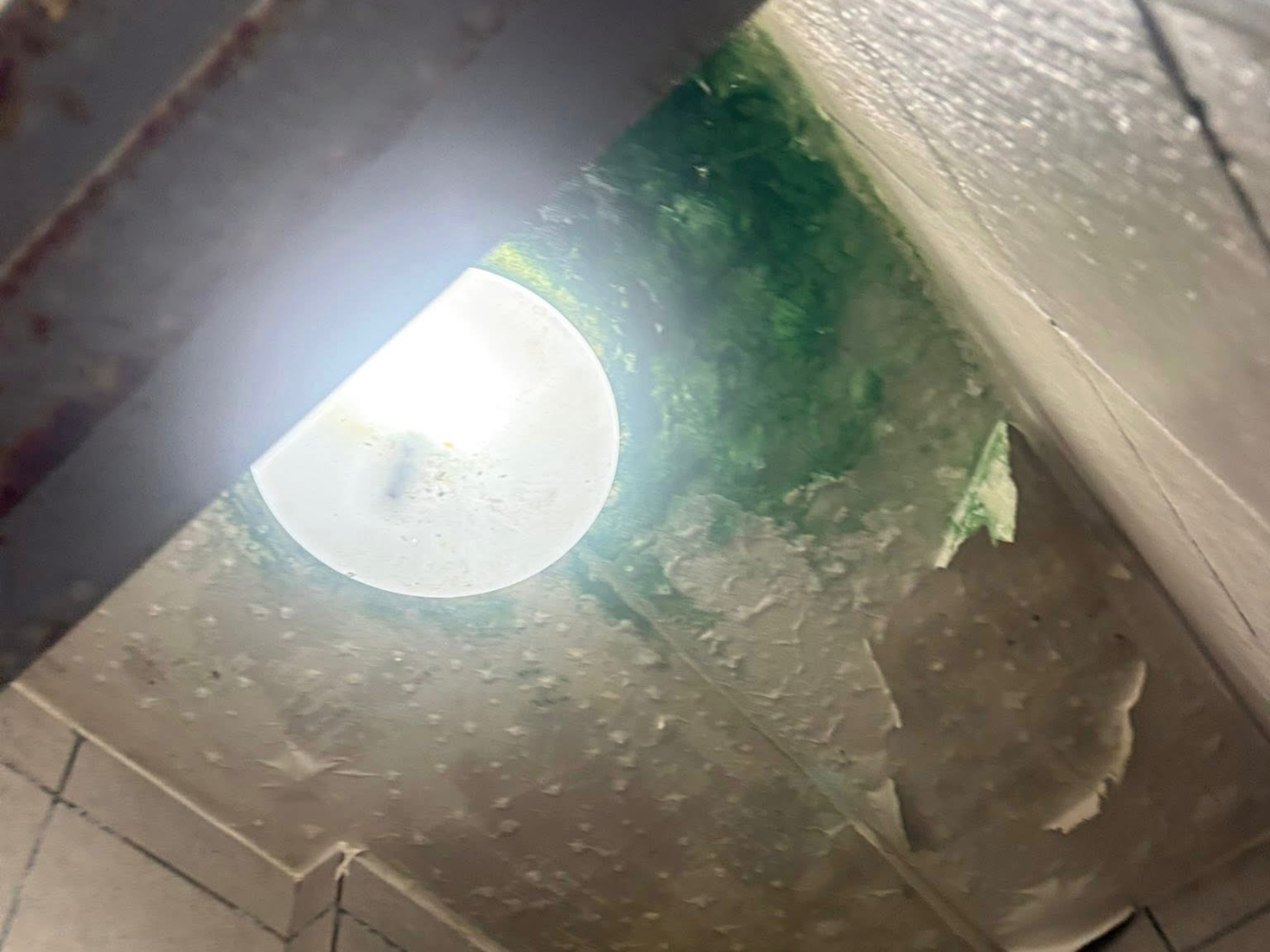
According to the SRC president, these concerns were repeatedly raised through formal channels over several years. Yet despite numerous complaints, students saw little evidence of meaningful intervention. The result was a growing sense among residents that their concerns were being acknowledged but not addressed.
“An acknowledgement of a memorandum is not the execution of what we demand.”
For many students, the tipping point came on 18 May 2026 when years of unresolved maintenance concerns reached what the SRC President describes as a “boiling point.”
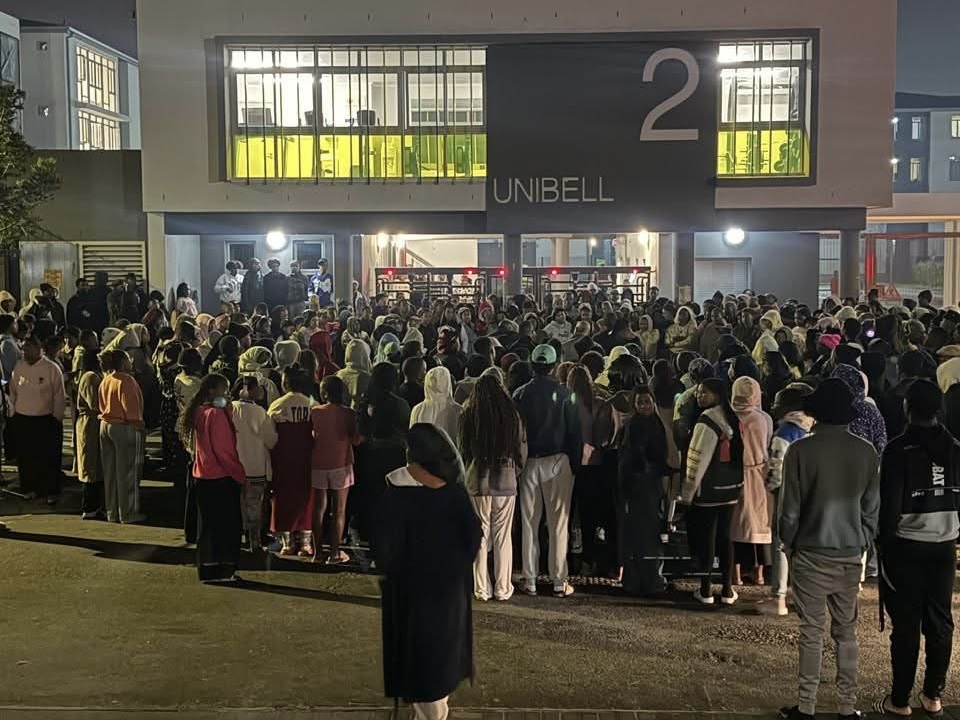
One question repeatedly raised by students and observers alike is why it took several years for demonstrations to reach such a dramatic stage.
The SRC President argues that timing played a critical role. He believes previous efforts lacked the leverage needed to force decisive action from university management. This year, however, several factors aligned in students’ favour, including oversight visits from parliamentary committees and the Minister of Higher Education.
“The balance of forces was in our favour.”
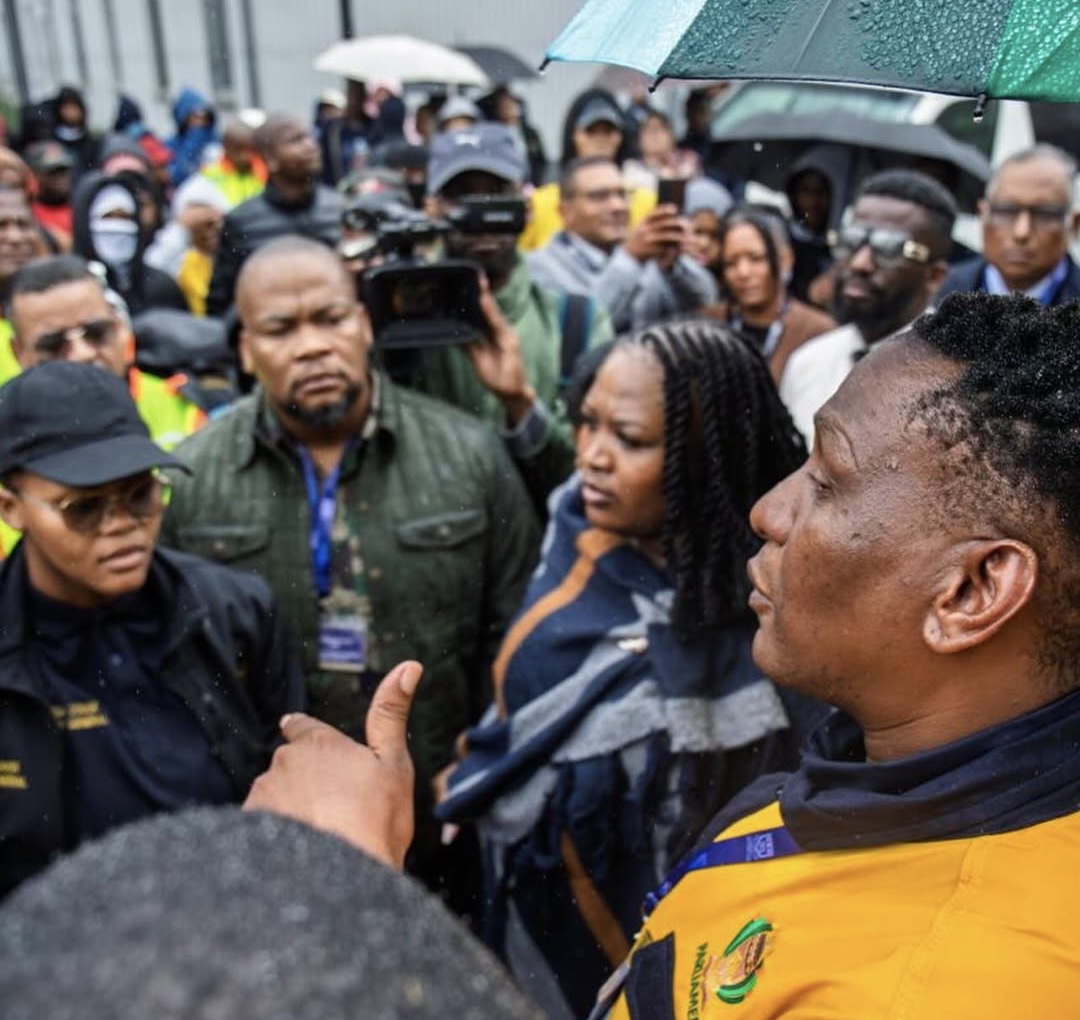
Most significantly, demonstrations occurred during one of the most sensitive periods on any university calendar; examinations.
“There are two events in a university that are very prestigious; exams and graduation. If you target either one of those sessions, you’re bound to get attention.”
While acknowledging the disruption caused by the protests, he maintains that students felt they had exhausted all other avenues available to them.
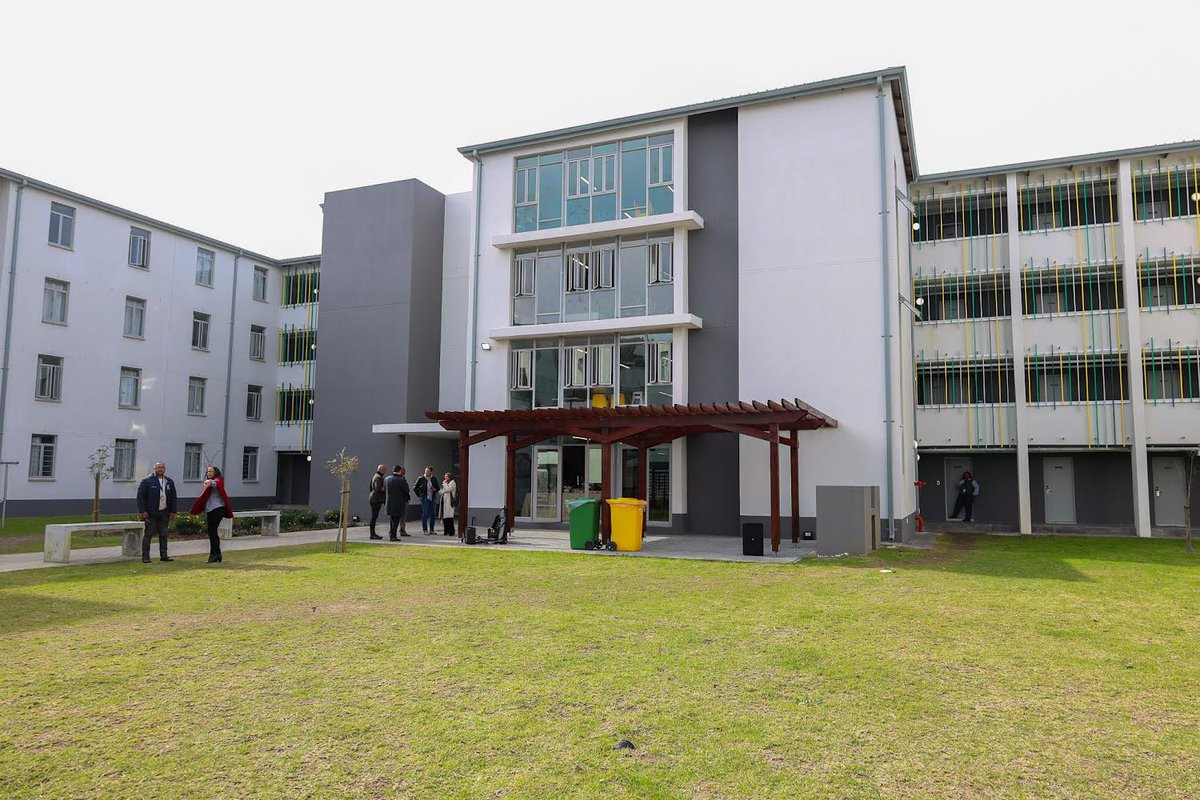
Perhaps one of the most striking criticisms raised during the interview concerns the quality of infrastructure at Unibell relative to its reported development cost. The SRC President questioned how a project reportedly costing approximately R975 million could experience such extensive maintenance failures within only a few years.
“It makes no logical sense to me. I can’t convince myself that R975 million could buy such poor quality.”
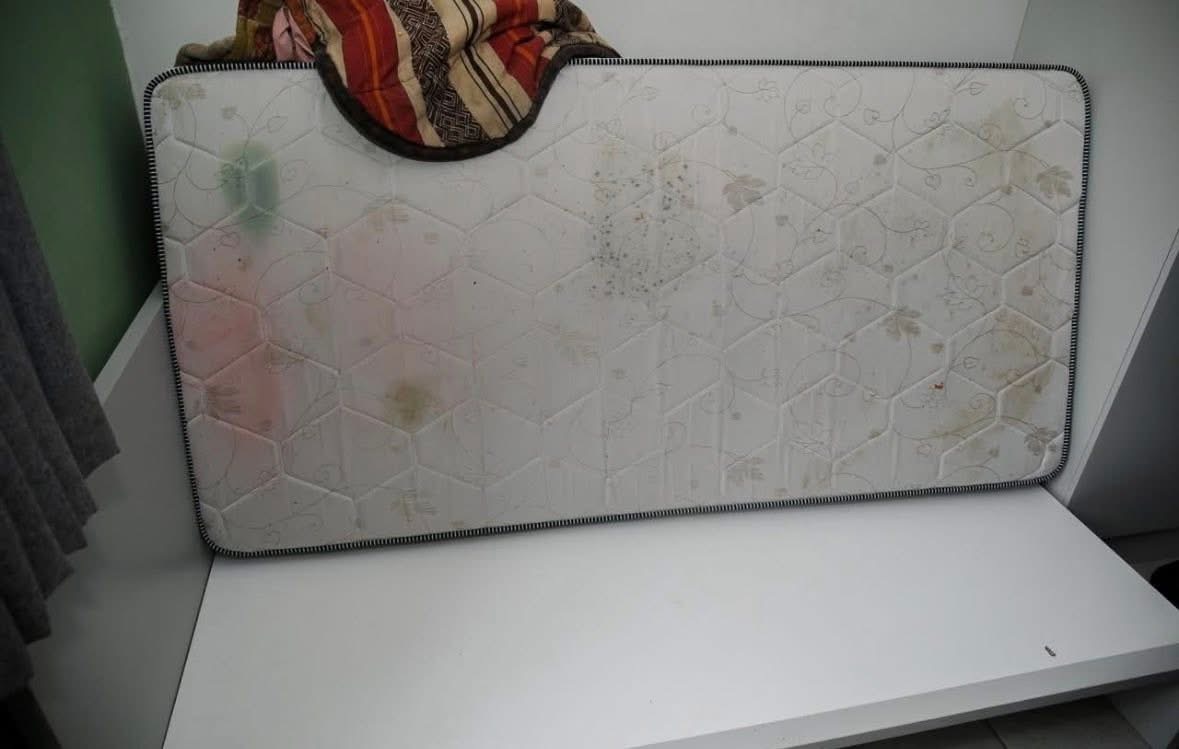
He cited recurring issues ranging from deteriorating walls and windows to unreliable Wi-Fi, faulty laundry facilities, mould growth, damaged appliances, and infrastructure defects. For student leaders, the situation raises larger questions about procurement, oversight, and long-term maintenance planning.
The demonstrations may have captured public attention, but the SRC argues that years of governance efforts preceded the protests. According to the SRC President, student leaders repeatedly requested maintenance reports through university governance structures, including the Infrastructure and Business Development Committee (IBDC). These requests reportedly date back several years.
“We asked for maintenance reports as far back as 2023.”
He believes further investigations into maintenance practices may reveal deeper concerns. Among his predictions are the possibility of disciplinary action against officials, independent structural assessments of facilities, and heightened scrutiny of infrastructure management practices.
While maintenance concerns served as the immediate catalyst for demonstrations, the interview revealed a much broader web of challenges affecting students across campus.
The SRC President described the university’s state of affairs as “complex” and “overwhelming,” pointing to multiple areas of concern such as student accommodation administration, transportation services, NSFAS-related funding challenges, safety and security concerns, governance and accountability structures and student representation and funding.
One issue he highlighted was what he views as a misalignment of responsibilities within university management. According to him, accommodation decisions often fall under operational divisions rather than student-focused structures, creating barriers to effective student support.
“It disadvantages the black student.”
The SRC President repeatedly framed many of these concerns through the lens of access, equity, and student welfare. Transportation emerged as another significant issue during the interview. Interestingly, the SRC President distinguished between instances where the university successfully consulted students and instances where consultation failed.
He praised earlier engagement processes surrounding shuttle schedules, where student leaders were invited to review proposals, discuss budget constraints, and help shape final decisions.
However, he criticised subsequent decisions to alter shuttle services following the examination disruptions.
“Consultation before is far more effective than consulting after you’ve taken a decision.”
The issue is not merely transportation itself but the principle of meaningful engagement before decisions are implemented.
One of the most controversial outcomes of the demonstrations was the restructuring of the academic calendar. The postponement of examinations and the extension of academic activities sparked concerns among students who felt they were being punished for exercising their right to protest.
The SRC President offered a more nuanced view.
Rather than criticising the revised schedule outright, he argued that it represented the most practical option available under difficult circumstances.
“The timetable was the most realistic and practical schedule out of the options we had.”
According to him, alternatives would have pushed examinations into 2027, creating serious complications for NSFAS-funded students, graduating students, and staff. He acknowledged that the revised schedule requires sacrifices from all stakeholders but argued that it protects the academic project while preserving assessment integrity.
“Sometimes people don’t want to be on that part because you tend to take very centred decisions, Sometimes you need to be part of the solution.”
For him, leadership requires balancing accountability with responsibility.
As Deputy President of the South African Union of Students, the SRC President was careful not to speak on behalf of the organization. Nevertheless, he acknowledged that many of the issues facing UWC are mirrored across South Africa’s higher education sector.
Students from multiple institutions reportedly shared similar experiences online during the demonstrations, particularly regarding accommodation standards and maintenance concerns.
The SRC President attributes many of these challenges to structural issues within higher education governance, including inconsistent accommodation accreditation systems, weak oversight mechanisms, fragmented transport policies, gaps in regulatory enforcement and challenges surrounding institutional autonomy.
“The sector is reforming.”
He argued that stronger oversight from the Department of Higher Education and Training could help address many recurring challenges experienced by students nationwide.
Questions about university budget constraints have become increasingly common across South African higher education.
According to the SRC President, state subsidies remain important but represent only one component of university revenue. Universities also generate income through tuition fees, investments, facility rentals, and other revenue streams.
However, he noted that postgraduate enrolment and completion rates significantly influence government subsidies. One factor affecting UWC’s funding position has been lower-than-target postgraduate output.
“If your postgraduate intake is low, it reduces your subsidy.”
Improving postgraduate recruitment and completion rates, he argues, remains critical for strengthening the institution’s financial position.
With students expected to return for examinations after the recess period, attention now shifts from protest to implementation.
The SRC President says student leaders expect all major maintenance concerns at Unibell to be resolved before students return, including faulty washers and dryers, Wi-Fi connectivity issues, mould-related concerns, damaged mattresses, water pressure problems and outstanding infrastructure defects.
“Every bit of maintenance defect must be resolved.”
He pointed to ongoing work through a maintenance task team convened by the Vice-Chancellor and expressed cautious optimism about progress already being made.
“There is already progress there.”
The Unibell demonstrations may ultimately be remembered for disrupted examinations and tense standoffs between students and management. Yet the interview suggests a deeper story. At its core, the crisis reflects growing frustration over whether student voices are truly heard within university governance structures. It raises difficult questions about accountability, infrastructure spending, student welfare, consultation, and the future direction of South African higher education.
For the SRC President, the issue extends beyond fixing broken buildings. The challenge is ensuring that institutions remain responsive to the students they exist to serve.
As UWC prepares to resume academic activities, students will be watching closely to see whether the commitments made in the aftermath of the demonstrations translate into meaningful and lasting change.
After years of complaints, memorandums, and escalating frustration, many believe the university has reached a critical moment: one where repairing trust may prove just as important as repairing infrastructure.