
President Cyril Ramaphosa’s latest address to the nation was meant to reassure South Africans that government is taking the allegations of criminal infiltration within law enforcement seriously. Instead, for many citizens, it served as a reminder of a recurring pattern that has come to define his presidency: respond only when public pressure becomes impossible to ignore, announce a commission of inquiry, promise accountability, and then allow time to dilute public outrage.
The allegations made by KwaZulu-Natal Police Commissioner Nhlanhla Mkhwanazi are among the most serious to confront South Africa’s democracy in recent years. Claims that senior political figures and law enforcement officials may have interfered in investigations and enabled criminal networks demanded an urgent response.
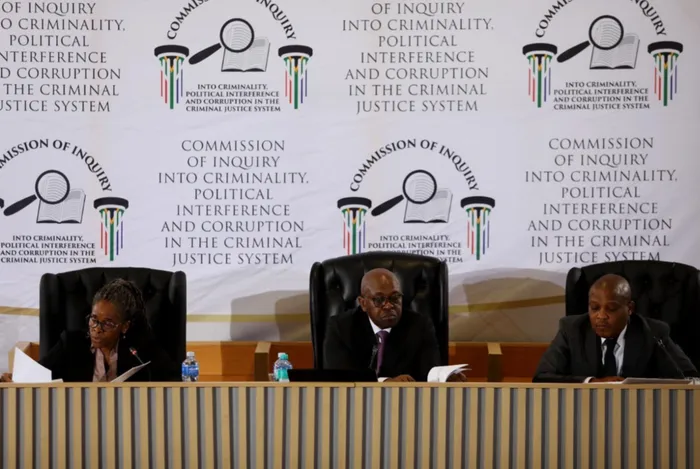
Ramaphosa eventually responded. But critics argue that the response itself was emblematic of a presidency that has often appeared reactive rather than proactive.
One South African citizen captured the sentiment bluntly:
“Yesterday’s address summarised Ramaphosa’s tenure as a president. He wouldn’t have said anything or done anything about it had South Africans not acted. He is a reactionary who pulls public stunts and is not proactive in fixing issues.”
Whether one agrees with that assessment or not, it reflects a growing frustration among many South Africans who believe government acts only when forced to.
The President’s preferred tool has become increasingly predictable: the commission of inquiry.
South Africans have witnessed inquiry after inquiry under Ramaphosa’s administration. From the Zondo Commission into State Capture to inquiries into corruption, criminality and governance failures, commissions have become a defining feature of his leadership.
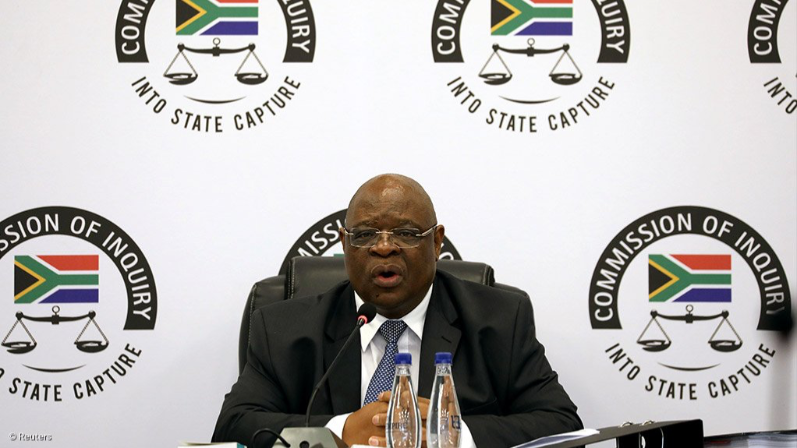
(photo by: Reuters)
While inquiries can play an important role in uncovering facts and establishing accountability, they have also become synonymous with lengthy processes, expensive investigations and recommendations that often take years to implement.
For many citizens, the announcement of yet another commission no longer inspires confidence. Instead, it raises a familiar question: what happens after the findings are released?
The public’s skepticism is understandable.
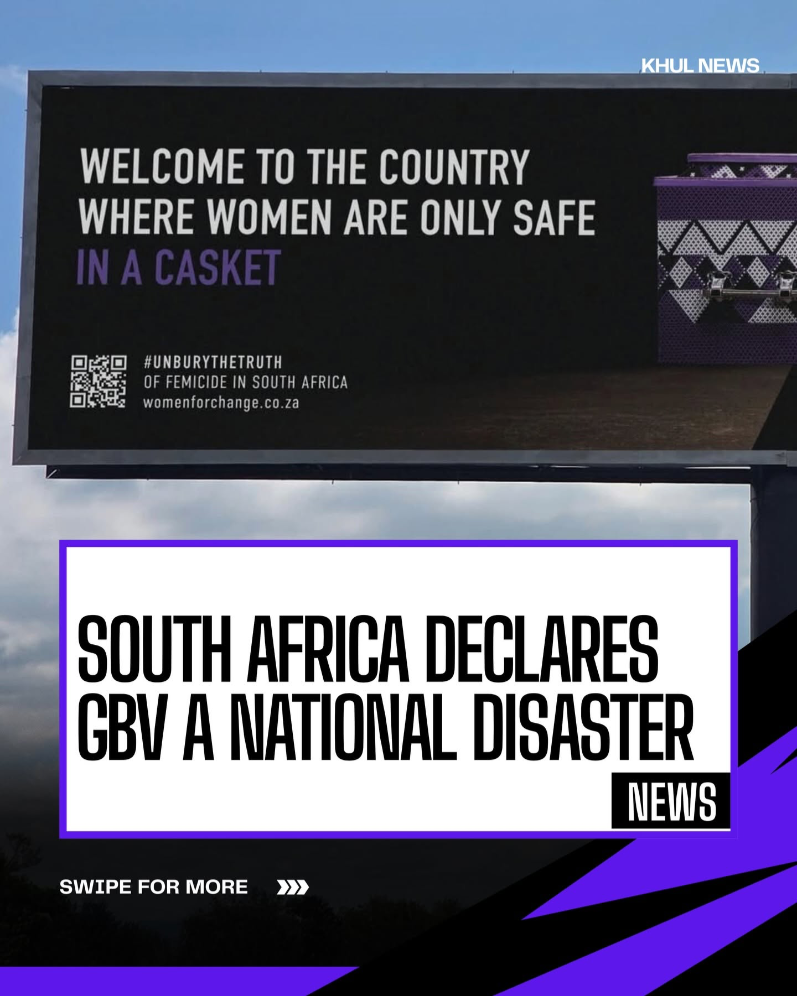
When gender-based violence and femicide reached crisis levels, government declared it a national disaster and convened summits, task teams and interventions. Yet years later, women and children continue to face alarming levels of violence. The rhetoric was strong, but many South Africans are still waiting for the decisive action that was promised.
Similarly, corruption remains deeply entrenched despite countless commitments to rooting it out.
Ramaphosa has repeatedly declared that corruption will not be tolerated. Just days ago, he reiterated that “public office is a public trust” and that there would be “no tolerance for corruption, regardless of position, status or political affiliation.”
These are commendable words.
The problem is that South Africans have become exhausted by words.
The President has spent much of his administration speaking the language of reform, accountability and renewal. Yet many of the country’s most pressing problems remain stubbornly unresolved. Crime remains high. Corruption allegations continue to emerge. Public trust in institutions continues to erode.
This disconnect between promises and outcomes has created a credibility problem.
Ramaphosa’s defenders argue that complex institutional problems cannot be solved overnight. They point out that commissions help establish facts, protect due process and prevent politically motivated action.
There is merit in that argument.
However, leadership is ultimately judged not by announcements but by results.
South Africans do not need another carefully crafted address. They do not need another commission that produces recommendations destined for a shelf. They do not need another cycle of public outrage followed by government reassurance.
They need visible consequences for wrongdoing.
They need arrests where evidence exists.
They need prosecutions that result in convictions.
They need a government that identifies crises before they explode into national scandals.
Most importantly, they need leadership that acts because it is the right thing to do, not because public pressure has become unbearable.
Ramaphosa’s latest address may have temporarily calmed the political storm. But calming storms has become one of the President’s greatest strengths.
The challenge facing South Africa is that storms eventually return when the underlying problems remain unresolved.
And after years of speeches, commissions and promises, many South Africans are beginning to wonder whether the country is any closer to lasting solutions than it was when the promises were first made.