
For many South African learners, the greatest barrier to education is not a lack of ambition or ability; it is a lack of access to basic necessities.
Among the most overlooked challenges facing young girls is period poverty, a reality that forces thousands of learners to miss valuable classroom time simply because they cannot afford sanitary products. It is this issue that sits at the heart of the Siyanda Hadebe Foundation’s Keep a Girl in School Project, an initiative dedicated to ensuring that menstruation never becomes a reason for a learner to fall behind.
Speaking to KHUL Radio, foundation founder and chairperson Siyanda Hadebe explained why the initiative remains one of the organisation’s most urgent priorities.
“When we looked at attendance patterns in schools, we found that many girls were repeatedly absent during a specific period every month,” Hadebe said. “Our research shows that six in ten girls miss school because of menstruation-related challenges. That directly affects their education and future opportunities.”
The project focuses on collecting and distributing sanitary pads to learners from underprivileged communities, helping them remain in school throughout the academic year. While discussions around education often focus on textbooks, infrastructure and teaching quality, Hadebe believes access to menstrual hygiene products is just as critical.
The foundation’s commitment to the cause stems from a broader belief that education is the key to social transformation. According to Hadebe, period poverty is not simply a health issue, it is an educational issue.
“Every initiative we run eventually comes back to education,” he explained. “If a girl doesn’t have access to sanitary products, she cannot attend school consistently. If a child is hungry, they struggle to learn. If a child is experiencing violence at home, their education is affected. These challenges are all connected.”
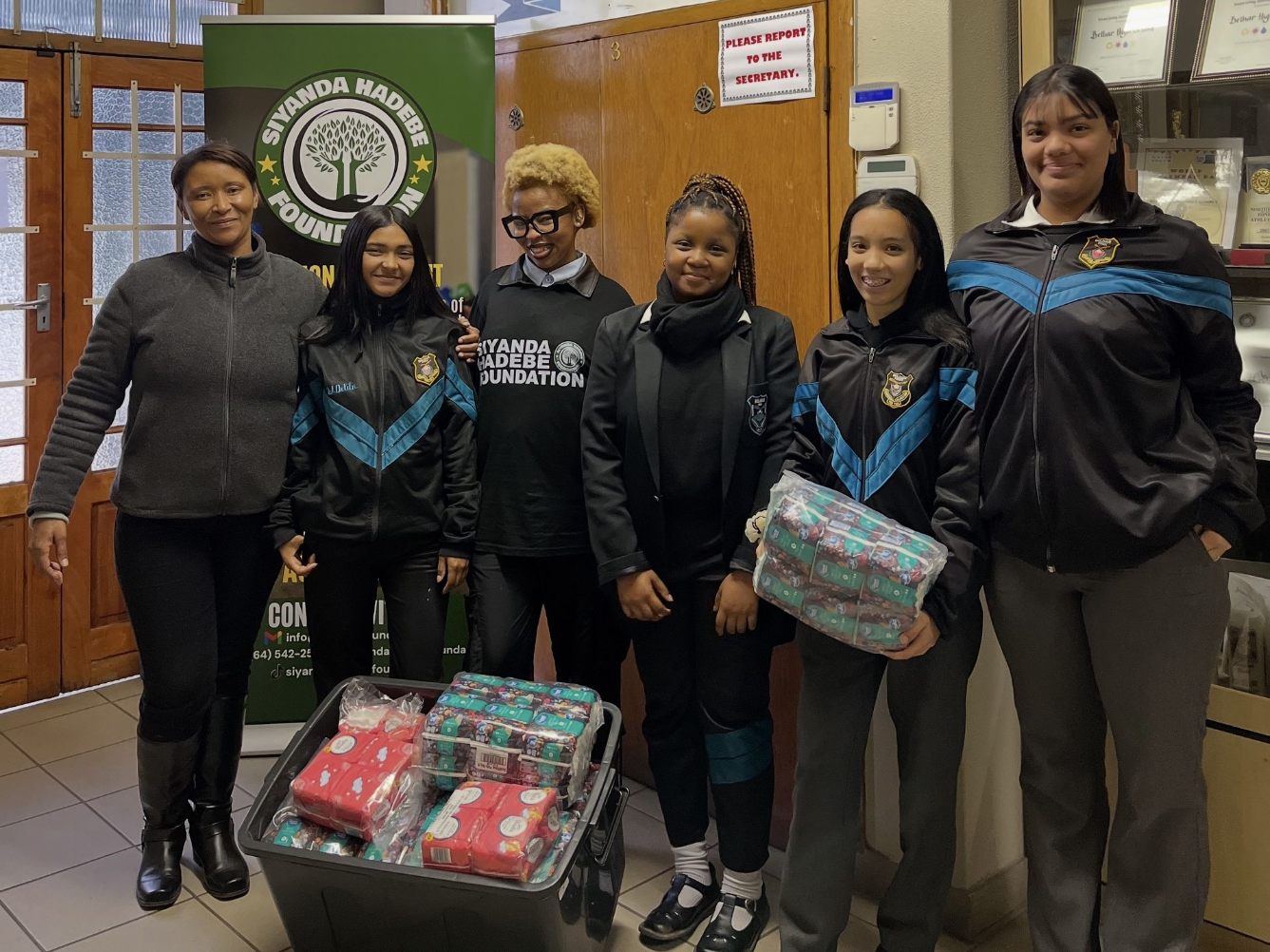
The organisation’s previous Keep a Girl in School campaign successfully helped more than 1,000 girls remain in school through sanitary pad donations. However, this year’s campaign faces significant challenges.
“We want to reach 10,000 girls this year,” Hadebe revealed. “But at the moment we have received no donations specifically towards this initiative. Many people assume the organisation has resources because they see the work we do, but there is still a real need for support.”
He emphasised that even small contributions can make a meaningful difference.
“A donation of R50 can provide multiple packs of sanitary pads and go a long way towards helping a learner. What matters is that people understand the impact their contribution can have.”
Beyond the immediate need for donations, Hadebe also raised concerns about the broader systemic challenges surrounding menstrual health in South Africa. He believes sanitary products should be treated as essential items rather than luxury goods and has called for greater government intervention to make them more affordable and accessible.
“We should not have to fight for basic necessities,” he said. “There needs to be a serious conversation about how we make these products available to the people who need them most.”
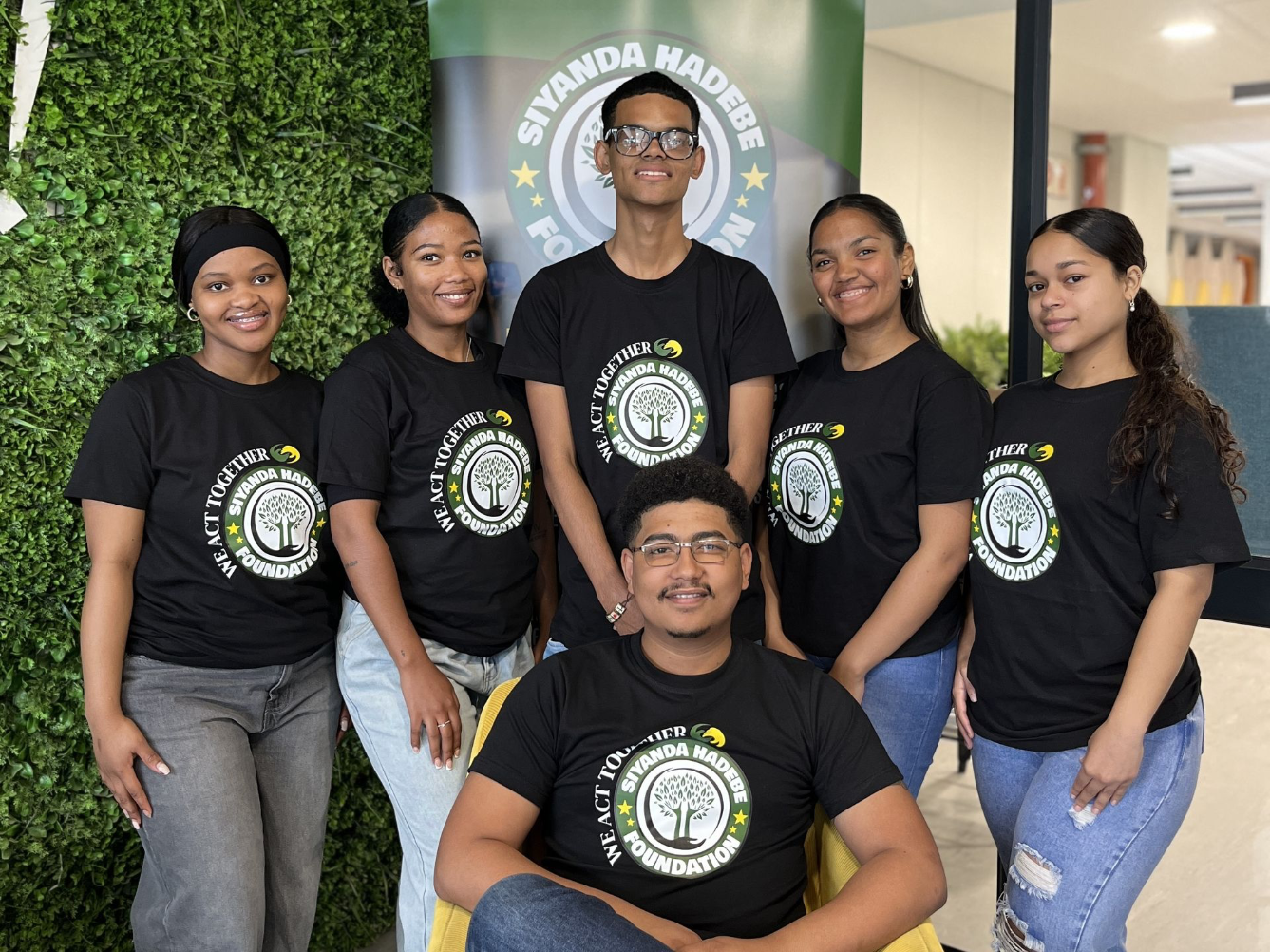
While the Keep a Girl in School Project has become one of the foundation’s most visible initiatives, it forms part of a larger strategy centred on educational empowerment.
Following its Annual General Meeting earlier this year, the organisation consolidated its various focus areas into a single overarching mission: expanding access to quality education.
One of its flagship programmes is the Ikusasa Lethu Academic Support Programme, which provides free tutoring to learners from underprivileged communities. Initially offered online, the programme has since expanded into physical schools, with current operations taking place at Belhar Secondary School.
The foundation has also undertaken food security initiatives, providing meals to hundreds of children from disadvantaged backgrounds. Hadebe believes these efforts complement the organisation’s educational goals.
“Some children come to school because it is the only place where they know they will receive a meal,” he said. “If we want learners to succeed academically, we have to address the barriers that prevent them from learning.”

The Siyanda Hadebe Foundation officially registered as a non-profit organisation in November 2024, but its origins date back several years earlier.
Hadebe, a 20-year-old student leader, radio presenter, humanitarian advocate and mental health activist, said the idea for the organisation first emerged in 2020.
“It was a vision placed in my heart by God,” he recalled. “At the time, I questioned why I should start another non-profit organisation when so many already existed. I felt there were already organisations doing good work.”
Yet the vision persisted.
Inspired by the biblical scripture Galatians 6:9, ‘Let us not grow weary of doing good,’ Hadebe eventually embraced the calling. What began as a personal conviction would later evolve into a youth-led organisation focused on empowering communities through education.
Today, the foundation is led by a board of directors and supported by a growing network of volunteers, student ambassadors and community partners.
The foundation’s long-term ambition extends beyond individual projects.
Its vision for 2030 is to become South Africa’s leading youth-led non-profit organisation. Part of that strategy includes establishing student chapters across all 26 public universities in the country, creating a nationwide network of young people committed to driving social impact.
For now, however, the immediate focus remains clear: keeping girls in school.
As the foundation continues its campaign to combat period poverty, Hadebe hopes more South Africans will recognise that educational success often begins with meeting basic human needs.
“When we invest in a girl’s ability to stay in school, we’re investing in her future,” he said. “And when we invest in education, we’re investing in the future of our communities.”
Those wishing to support the Keep a Girl in School Project or learn more about the foundation’s work can visit the organisation’s website, www.hadebefoundation.org, or contact its team directly at info@hadebefoundation.org, for volunteer and partnership opportunities.